
By Dr. Aron West, Home – Back Pain Specialists in Amarillo | WestandCo.
Spinal decompression therapy is a non-invasive treatment that relieves back pain from conditions such as herniated discs and sciatica by reducing pressure on the spinal discs through controlled distraction and relaxation. This guide explains how the treatment works, what it typically costs in Amarillo, TX, and how accessible it is locally. For many people with chronic back pain, decompression offers a non-surgical, cost-conscious alternative to operative care. We cover average pricing, insurance considerations, who benefits most, and the potential functional gains patients can expect.
Key Takeaways
- Spinal decompression therapy reduces spinal disc pressure to relieve back pain from herniated discs and sciatica.
- The average cost per spinal decompression session in Amarillo ranges from $75 to $150, with total treatment costs varying.
- Initial consultation fees and session frequency significantly influence the overall cost of spinal decompression therapy.
- Insurance coverage for spinal decompression therapy varies; patients should verify benefits with providers like Blue Cross Blue Shield and Aetna.
- Ideal candidates include individuals with chronic back pain from herniated discs, sciatica, or degenerative disc disease.
- Therapy sessions involve gentle spinal stretching, often resulting in reduced pain and improved mobility over time.
- Non-surgical alternatives such as physical therapy and chiropractic care offer varying costs and benefits compared to spinal decompression.
- Surgery is typically reserved for severe cases unresponsive to non-invasive treatments like spinal decompression therapy.
- West and Co Disc and Nerve Pain Solutions in Amarillo provides specialized spinal decompression therapy with advanced technology and patient-centered care.
What Is Spinal Decompression Therapy and How Does It Work?
Spinal decompression gently stretches the spine to lower pressure inside the discs. That negative pressure can help draw bulging material back toward the disc, improve nutrient flow, and create conditions that support healing. The method is intended to improve spinal function and reduce pain for people with herniated discs and chronic spinal conditions.
How Spinal Decompression Provides Relief for Herniated Discs and Sciatica
The treatment targets disc pressure so that bulging or herniated tissue can reduce its impingement on nearby nerves. That reduction in nerve compression is often what eases sciatica and related leg pain. Clinical reports show many patients experience meaningful pain relief and better mobility after a course of decompression therapy.
Why Choose Non-Surgical Treatment Options for Chronic Back and Neck Pain?
Non-surgical options like spinal decompression lower the risk of surgical complications and lengthy recovery. They work with the body’s natural healing processes, avoid general anaesthesia, and typically require less downtime. For many patients, these methods are more accessible and financially reasonable than surgery while still aiming to restore function and reduce pain.
What Is the Average Cost of Spinal Decompression Therapy in Amarillo, TX?
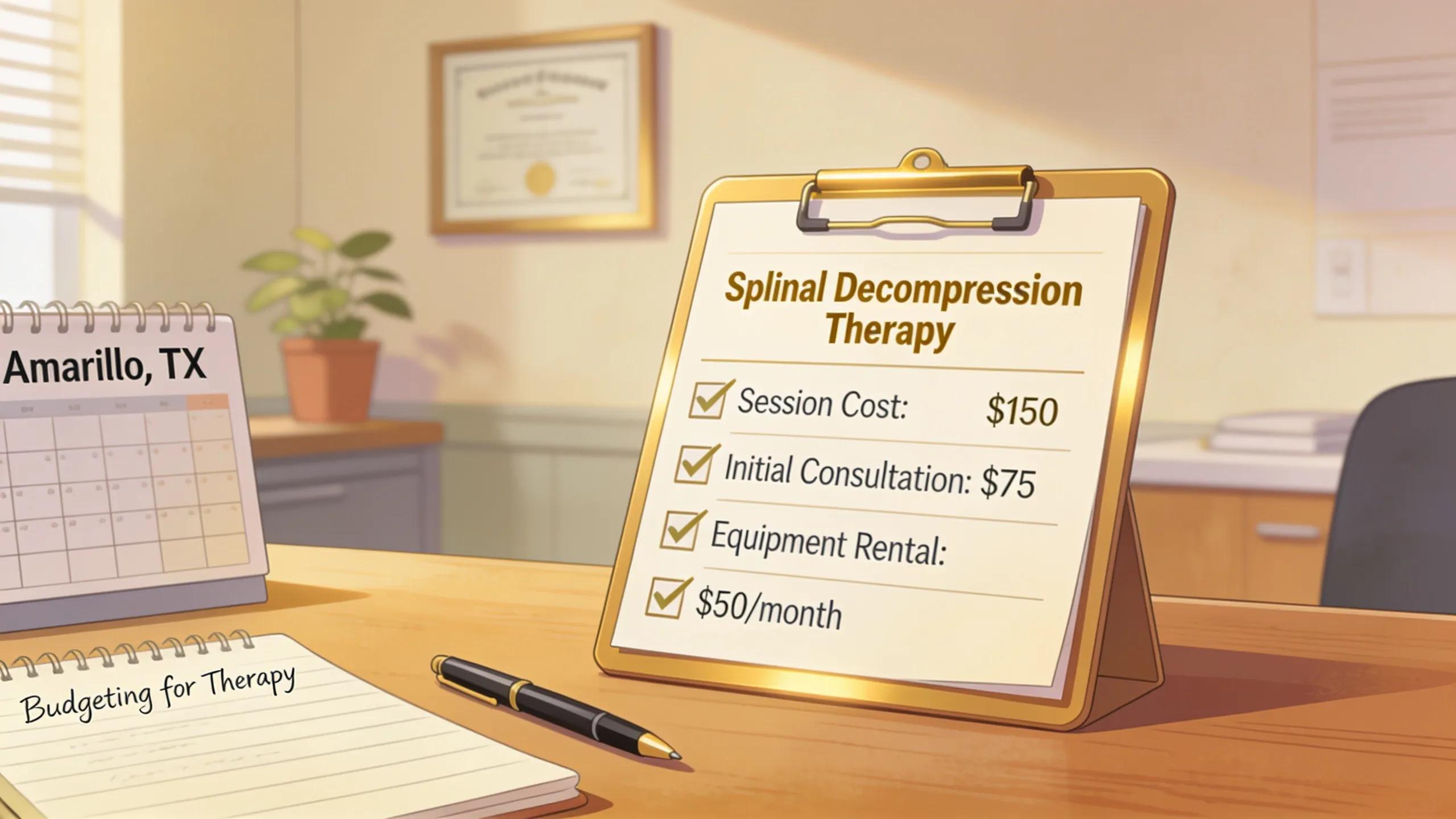
The average cost of spinal decompression therapy in Amarillo typically ranges from $75 to $150 per session, depending on factors that affect pricing. Knowing these figures helps patients plan and compare options when budgeting for care.
What Factors Influence the Price of Therapy Sessions and Equipment?
Several key factors impact the cost of spinal decompression therapy sessions, including:
- Initial Consultation Fees: The first visit often includes a comprehensive evaluation, which could range from $50 to $200.
- Session Frequency and Total Treatment Costs: Patients generally require multiple sessions for optimal outcomes, often leading to a total expenditure of $1,500 to $3,500 over several weeks.
- Equipment and Technology Costs: Advanced therapeutic equipment may also play a role in session expenses, with some clinics investing in specialized machines that enhance treatment effectiveness.
How Do Consultation and Follow-Up Appointments Affect Overall Cost?
An initial evaluation is essential to create a tailored treatment plan and can influence the total cost. Follow-up visits are part of ongoing care and support progress monitoring and plan adjustments. Regular reviews improve outcomes but also contribute to cumulative costs that vary by individual needs.
Does Insurance Cover Spinal Decompression Therapy in Amarillo, TX?
Insurance coverage for spinal decompression therapy varies by plan and insurer. Patients should check their benefits to see whether non-surgical pain management treatments are included under their policy.
Which Insurance Plans Typically Include Coverage for Spinal Decompression?
Some insurers that may provide coverage for spinal decompression include Blue Cross Blue Shield, Aetna, and Cigna. Review your policy details to understand coverage limits, co-pays, and deductibles that apply to therapy sessions.
How Can Patients Navigate Payment Options and Insurance Claims?
Patients may encounter challenges when handling payments and insurance claims for decompression therapy. Practical steps include:
- Understand Your Benefits: Review your insurance policy, focusing on coverage for non-surgical treatments.
- Consult Your Provider: Contact your health insurance provider for detailed information about potential claims.
- Payment Plans: Many clinics, including West and Co Disc and Nerve Pain Solutions, offer payment plans to help manage costs effectively.
Who Is an Ideal Candidate for Spinal Decompression Therapy?
Ideal candidates are people with chronic back pain stemming from herniated discs, sciatica, or degenerative disc disease who prefer non-surgical care. This therapy is often chosen by patients seeking to avoid surgery while aiming to restore mobility and reduce pain.
What Symptoms and Conditions Qualify Patients for This Treatment?
Conditions that qualify for spinal decompression therapy include:
- Herniated Discs: Patients experiencing significant pain from protruded or bulging discs may find this therapy beneficial.
- Sciatica: Individuals with nerve compression causing leg pain can gain relief through this treatment.
- Degenerative Disc Disease: Patients with age-related disc degeneration may also respond positively to spinal decompression techniques.
What Should Patients Expect During and After Therapy Sessions?
During sessions, you will experience gentle spinal stretching on specialised equipment designed to promote decompression and healing. Some patients feel mild discomfort at first as the spinal structures begin to relax.
Many patients report reduced pain and improved mobility after a series of treatments. Consistent participation and follow-up care can support longer-term improvements in spinal health and daily function.
What Are the Alternatives to Spinal Decompression Therapy for Back Pain?
Alternatives include other non-surgical approaches that aim to reduce pain and restore function. The right option depends on the specific condition and patient goals.
How Do Other Non-Surgical Treatments Compare in Cost and Effectiveness?
While spinal decompression is an effective non-surgical option, alternatives include:
- Physical Therapy: Often more cost-effective, physical therapy typically costs around $50 to $150 per session and focuses on strengthening and conditioning techniques.
- Chiropractic Care: Sessions range from $30 to $100, providing manipulative therapies to relieve pain.
- Pain Medications: Over-the-counter pain relief can be effective at a low cost but lacks the long-term benefits of structured therapy.
When Is Surgery Considered Over Non-Invasive Options?
Surgery is usually a last resort for those who do not improve with conservative care or who present with severe symptoms such as neurological deficits. Surgical intervention may be necessary when structural problems cannot be addressed with non-invasive treatments.
How Can Patients in Amarillo Access Expert Spinal Decompression Therapy?
Patients seeking spinal decompression in Amarillo should consult local clinics that specialise in non-surgical pain management and request an initial evaluation to determine suitability.
To learn more about finding a trusted provider, consider exploring West and Co Disc and Nerve Pain Solutions.
What Makes West and Co Disc and Nerve Pain Solutions a Trusted Provider?
West and Co Disc and Nerve Pain Solutions emphasises patient-centred care and has clinicians experienced in spinal decompression therapy. The clinic combines advanced equipment with personalised treatment plans to support recovery and improve function.
How to Schedule a Consultation and What to Prepare for Your First Visit?
To schedule a consultation at West and Co Disc and Nerve Pain Solutions, patients should contact the clinic at (806) 367-8480. Bring your medical history, insurance details, and any prior spinal imaging to help the team assess your condition and plan care effectively.
A spinal decompression session typically lasts 30 to 60 minutes. During that time, trained practitioners use specialised equipment to deliver a series of gentle stretches and adjustments tailored to your treatment plan. Session length may vary based on individual needs and clinical response.
Spinal decompression is generally safe and non-invasive, though some patients may experience mild soreness similar to muscle ache after a session. More serious complications are uncommon but possible, especially for those with certain medical conditions. A clinical assessment helps identify any individual risks before starting therapy.
Recommended course lengths vary by condition and severity. Most plans range from about 10 to 20 sessions over several weeks. After an initial assessment, your provider will recommend a personalised schedule to meet your goals.
Yes. Spinal decompression is often integrated with other non-surgical treatments such as physical therapy, chiropractic care, and pain-management strategies. Combining therapies can address multiple aspects of your condition and may improve overall outcomes. Discuss combinations with your provider to ensure a coordinated plan
Spinal decompression can benefit many patients, but it is not suitable for everyone. Age alone does not determine eligibility; overall health, specific spinal conditions, and medical history are the key factors. A clinical evaluation will determine whether decompression is appropriate for you.
Conclusion
Spinal decompression therapy is a non-invasive option that can reduce disc pressure, relieve pain, and improve mobility for many people with chronic back issues. Its accessibility and lower cost compared with surgery make it an important option to consider. To begin, schedule a consultation with a qualified provider to determine if decompression fits your treatment goals and to start a plan aimed at restoring function and quality of life.