
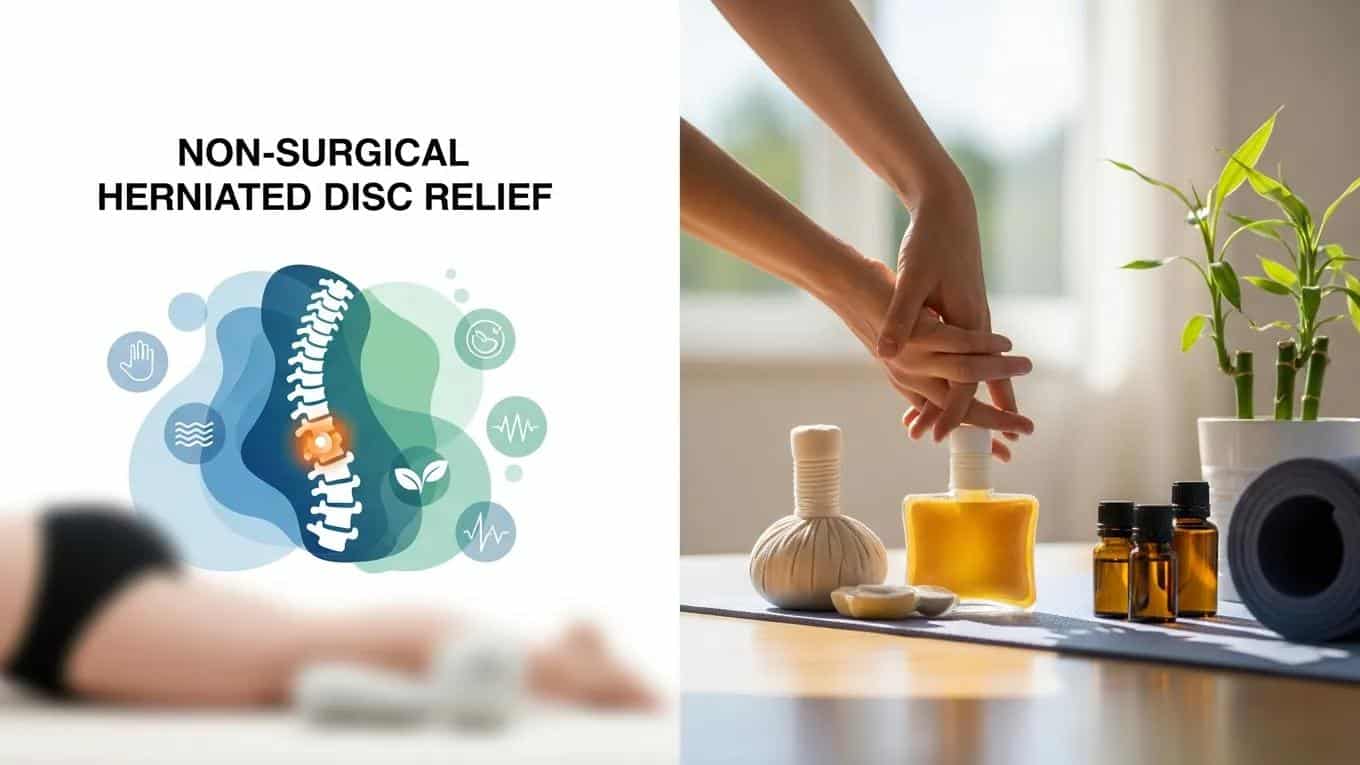
Herniated discs can lead to debilitating pain and discomfort, affecting daily activities and overall quality of life. Many individuals seek effective solutions that do not involve invasive surgical procedures. This article explores non-surgical treatment options available in Amarillo, TX, focusing on spinal decompression therapy as a primary method for alleviating pain associated with herniated discs. Readers will learn about the mechanisms behind these treatments, their benefits, and the conditions they address. We will also discuss how patients can access personalized care at West and Co Disc and Nerve Pain Solutions, a leading provider in the area.
Effective Non-Surgical Herniated Disc Treatment Techniques
Non-surgical Herniated Disc treatment is a specialized treatment designed to relieve pressure on the spinal discs and nerves. This technique involves the use of a traction table that gently stretches the spine, creating negative pressure within the discs. This negative pressure can help retract herniated or bulging discs, allowing them to return to their proper position. As a result, patients often experience significant pain relief and improved mobility. The therapy is non-invasive, making it an appealing option for those looking to avoid surgery.
Research supports the effectiveness of non-surgical spinal decompression in significantly improving pain and function for patients with lumbar radiculopathy.
Non-Surgical Spinal Decompression Improves Pain & Function for Lumbar Radiculopathy
Lumbar radiculopathy is an extensively common complaint reported by patients of low back pain (LBP), resulting in several impairments. A comparatively novel technique, non-surgical spinal decompression (NSD), is introduced, which uses a sensitive computerized feedback mechanism and decompresses the spinal nerve roots through segmental distraction. A statistically significant improvement was observed in pain, functional disability, back muscle endurance, lumbar range of motion, and quality of life in favour of the NSD therapy group.
Effects of non-surgical decompression therapy in addition to routine physical therapy on pain, range of motion, endurance, functional disability and quality of life …, F Amjad, 2022
Benefits for Lasting Pain Relief
Non-surgical treatments for herniated discs offer several key benefits that contribute to lasting pain relief:
- Non-Invasive Nature: These therapies do not require surgical intervention, reducing the risks associated with surgery.
- Promotion of Natural Healing: By alleviating pressure on the discs and nerves, the body can heal itself more effectively.
- Customized Treatment Plans: Providers can tailor treatment plans to meet the specific needs of each patient, enhancing the overall effectiveness of the therapy.
At West and Co Disc and Nerve Pain Solutions, patients can expect a comprehensive approach to their care, ensuring that each treatment plan is designed with their unique circumstances in mind.
Potential Treatment Options Available

Several non-surgical treatment options are available for individuals suffering from herniated discs. These include:
- Spinal Decompression Therapy: This technique uses a traction table to relieve pressure on the spinal discs.
- Chiropractic Adjustments: These adjustments can help realign the spine and improve overall function.
- Therapeutic Exercises: Customized exercise programs can strengthen the muscles supporting the spine and improve flexibility.
- Lifestyle Guidance: Patients receive advice on posture, ergonomics, and daily activities to prevent further injury.
West and Co Disc and Nerve Pain Solutions offers these services to help patients achieve optimal recovery and pain management.
Conditions Treated
Non-surgical treatments can effectively address a variety of conditions, including:
- Herniated and bulging discs
- Degenerative disc disease
- Sciatica
These conditions often lead to chronic pain and discomfort, making effective treatment essential for improving quality of life.
What Are the Symptoms and Causes of a Herniated Disc?
A herniated disc occurs when the soft inner gel of the disc protrudes through a tear in the outer layer, leading to potential nerve compression. Common symptoms include:
- Localized Pain: Pain in the back or neck, depending on the location of the herniated disc.
- Radiating Pain: Pain that travels down the arms or legs, often associated with nerve involvement.
- Numbness or Tingling: Sensations in the extremities due to nerve compression.
How Does a Herniated Disc Lead to Back Pain and Sciatica?
Herniated discs can lead to back pain and sciatica through nerve compression. When the disc material protrudes, it can press against nearby nerves, causing inflammation and pain. This pressure can disrupt normal nerve function, leading to symptoms such as tingling, weakness, or numbness in the affected areas. Understanding this mechanism is crucial for effective treatment and management of symptoms.
Which Signs Indicate the Need for Non Invasive Treatment?
Several signs may indicate the need for non-invasive treatment options, including:
- Persistent or worsening pain despite conservative measures
- Numbness or weakness in the limbs
- Difficulty performing daily activities due to pain
Recognizing these signs early can lead to timely intervention and better outcomes.
Experts suggest that conservative treatment for lumbar disc herniation should typically be pursued for up to two months before considering surgical intervention, especially if symptoms persist or worsen.
Conservative Treatment Duration for Lumbar Disc Herniation Before Surgery
Different authors recommend different time spans for conservative treatment before considering surgery in patients suffering from lumbar disc herniation. The overall outcome seems to be better when patients are operated on for lumbar disc herniations within 2 months after onset of symptoms and sensory deficits. Due to these findings, we recommend conservative treatment up to 2 months and, if conservative management does not succeed, consideration of surgery.
When should conservative treatment for lumbar disc herniation be ceased and surgery considered?, RD Rothoerl, 2002
How Does Non Surgical Spinal Decompression Therapy Work?
Non-surgical spinal decompression therapy works by gently stretching the spine, which creates negative pressure within the discs. This negative pressure can help retract herniated discs, reducing nerve compression and alleviating pain. The therapy promotes healing by increasing blood flow to the affected areas, allowing nutrients to reach the damaged tissues more effectively.
What Is the Process and Duration of Spinal Decompression Therapy?
The process of spinal decompression therapy typically involves multiple sessions over several weeks. Each session lasts about 30-45 minutes, during which the patient lies on a specialized traction table. The duration of the entire treatment plan may vary based on individual needs, but many patients experience significant relief within a few weeks of consistent therapy.
How Does This Therapy Relieve Pressure on Discs and Nerves?
Spinal decompression therapy relieves pressure on discs and nerves by creating space between the vertebrae. This space allows the herniated disc material to retract, reducing the pressure on the surrounding nerves. As a result, patients often report decreased pain and improved mobility, making this therapy a valuable option for those suffering from herniated discs.
What Are the Benefits and Risks of Non Surgical Herniated Disc Treatments?
Non-surgical treatments for herniated discs offer several benefits, including:
- Reduced Risk of Complications: Being non-invasive, these treatments carry fewer risks compared to surgical options.
- Shorter Recovery Time: Patients can often return to their daily activities more quickly.
- Improved Quality of Life: Effective pain relief can lead to enhanced overall well-being.
However, potential risks may include temporary discomfort during treatment and the possibility of incomplete relief. It is essential for patients to discuss these factors with their healthcare provider.
How Does Non Invasive Treatment Compare to Surgery?
Non-invasive treatments generally present a lower risk profile compared to surgical interventions. While surgery may be necessary in severe cases, many patients find significant relief through non-surgical methods. Non-invasive treatments often allow for a more gradual recovery, enabling patients to regain function without the complications associated with surgery.
Studies comparing surgical and conservative treatments for sciatica due to a lumbar herniated disc indicate that while surgery may offer quicker initial relief, long-term outcomes often show no significant difference between the two approaches.
Conservative vs. Surgical Treatment for Herniated Disc Sciatica: Long-Term Outcomes
One large low-risk-of-bias trial demonstrated that early surgery in patients with 6–12 weeks of radicular pain leads to faster pain relief when compared with prolonged conservative treatment, but there were no differences after 1 and 2 years. Another large low-risk-of-bias trial between surgery and usual conservative care found no statistically significant differences on any of the primary outcome measures after 1 and 2 years.
Surgery versus conservative management of sciatica due to a lumbar herniated disc: a systematic review, WCH Jacobs, 2011
What Long-Term Outcomes Can Patients Expect?
Patients undergoing non-surgical treatments for herniated discs can expect various long-term outcomes, including:
- Sustained Pain Relief: Many individuals experience lasting relief from their symptoms.
- Improved Functionality: Enhanced mobility and strength can lead to a better quality of life.
- Reduced Need for Medications: Effective treatment may decrease reliance on pain medications.
These outcomes highlight the importance of seeking appropriate care for herniated discs.
How Can Patients Access Personalized Herniated Disc Care in Amarillo TX?
Patients in Amarillo, TX, can access personalized care for herniated discs at West and Co Disc and Nerve Pain Solutions. The clinic offers comprehensive evaluations and tailored treatment plans to address individual needs. Interested individuals can contact the clinic at (806) 367-8480 for more information or to schedule a consultation.
Why Choose West and Co Disc and Nerve Pain Solutions for Treatment?

Choosing West and Co Disc and Nerve Pain Solutions for treatment offers several advantages:
- Expertise and Experience: The clinic specializes in non-surgical treatments for disc and nerve pain.
- Patient-Centric Approach: Each treatment plan is customized to meet the unique needs of the patient.
- Comprehensive Care: The clinic provides a range of services to support recovery and overall health.
These factors make West and Co a trusted choice for individuals seeking effective non-surgical treatment options.
What Should Patients Expect During Consultation and Therapy?
During the initial consultation, patients can expect a thorough evaluation of their condition, including a review of medical history and symptoms. The healthcare provider will discuss potential treatment options and develop a personalized plan. Throughout the therapy sessions, patients will receive ongoing support and adjustments to their treatment as needed, ensuring the best possible outcomes.
Frequently Asked Questions
What is the recovery time for non-surgical treatments for herniated discs?
The recovery time for non-surgical treatments, such as spinal decompression therapy, can vary based on individual circumstances. Generally, patients may start to experience significant relief within a few weeks of consistent therapy, which typically involves multiple sessions over several weeks. While some individuals may notice improvements quickly, others might require a longer duration to achieve optimal results. It’s essential to follow the personalized treatment plan provided by your healthcare provider to ensure the best recovery outcomes.
Are there any side effects associated with non-surgical treatments?
Non-surgical treatments for herniated discs are generally safe, but some patients may experience mild side effects. These can include temporary discomfort during or after therapy, muscle soreness, or fatigue. It’s important to communicate any unusual symptoms to your healthcare provider, who can adjust the treatment plan as necessary. Overall, the risks associated with non-invasive treatments are significantly lower than those linked to surgical options, making them a preferred choice for many patients.
How can lifestyle changes support recovery from a herniated disc?
Lifestyle changes can play a crucial role in supporting recovery from a herniated disc. Maintaining a healthy weight, practicing good posture, and engaging in regular low-impact exercises can help strengthen the muscles that support the spine. Additionally, incorporating ergonomic adjustments in daily activities, such as using supportive chairs and proper lifting techniques, can prevent further injury. Patients are encouraged to work with their healthcare provider to develop a comprehensive plan that includes lifestyle modifications alongside their treatment.
What should I do if my symptoms worsen during treatment?
If symptoms worsen during non-surgical treatment for a herniated disc, it is essential to contact your healthcare provider immediately. They can assess your condition and determine whether adjustments to your treatment plan are necessary. In some cases, additional diagnostic imaging may be required to understand the changes in your symptoms. Early intervention can help prevent further complications and ensure that you receive the most effective care tailored to your needs.
Can non-surgical treatments be combined with other therapies?
Yes, non-surgical treatments for herniated discs can often be combined with other therapies to enhance overall effectiveness. For instance, spinal decompression therapy may be used alongside chiropractic adjustments, physical therapy, or therapeutic exercises. This multidisciplinary approach can address various aspects of the condition, promoting better healing and pain relief. It’s important to discuss any additional therapies with your healthcare provider to ensure they complement your primary treatment plan.
How do I know if I am a candidate for non-surgical treatment?
Determining candidacy for non-surgical treatment typically involves a thorough evaluation by a healthcare provider. Factors such as the severity of your symptoms, the duration of your condition, and your overall health will be considered. If you experience persistent pain, numbness, or weakness, you may be a suitable candidate for non-invasive therapies. A personalized assessment will help identify the most appropriate treatment options for your specific situation.
Conclusion
Non-surgical treatments for herniated discs provide effective, lasting pain relief while promoting natural healing without the risks associated with surgery. By utilizing techniques like spinal decompression therapy, patients can experience improved mobility and a better quality of life tailored to their individual needs. For those seeking personalized care in Amarillo, TX, exploring options at West and Co Disc and Nerve Pain Solutions is a valuable next step. Take charge of your recovery today and discover how non-invasive treatments can transform your well-being.